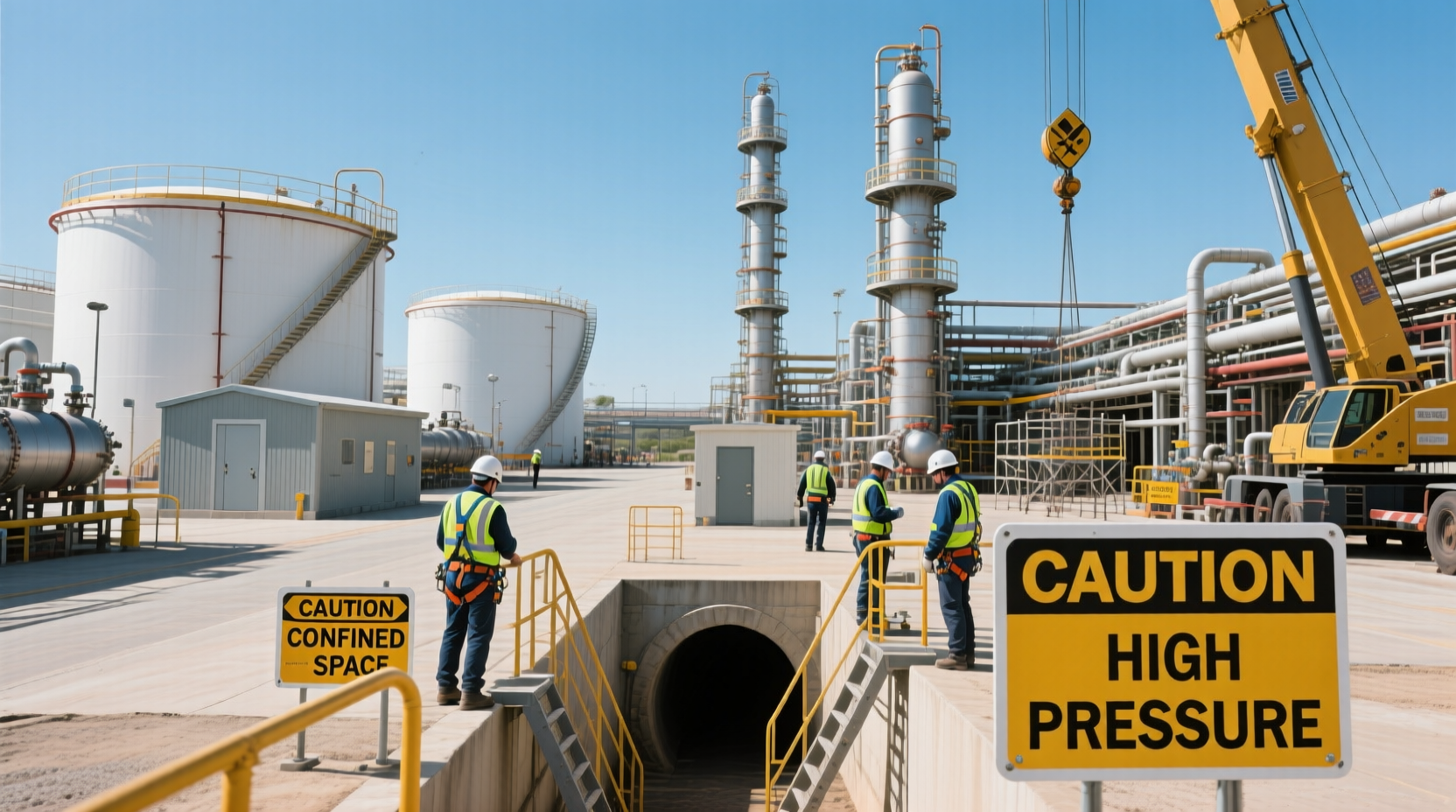
In oil and natural gas operations, hazards are everywhere—chemicals, pressurized systems, flammable materials, and heavy machinery are just part of the daily environment. The challenge is not just identifying these dangers, but making sure every worker understands them. Hazard communication is about more than compliance; it’s about creating a culture where risks are openly shared, clearly understood, and actively managed. When everyone knows the risks, everyone has the power to work safely.
Why Hazard Communication Matters
Hazards that go unrecognized or misunderstood can lead to accidents, injuries, and environmental harm. Workers often face changing conditions, new chemicals, or complex equipment, which means assumptions are dangerous. Clear communication ensures that no one is left guessing about what they are handling, what protective measures are required, or what could happen if precautions are ignored.
The Role of Labels and Safety Data Sheets (SDS)
One of the foundations of hazard communication is proper labeling and documentation. Every chemical or material must be clearly labeled with hazard warnings, and Safety Data Sheets (SDS) must be accessible to all workers. These sheets provide essential information: the properties of the substance, the risks it poses, how to handle it safely, and what to do in an emergency. Training workers to read and understand labels and SDS is just as important as having them available.
Training and Awareness
Hazard communication is not effective without consistent training. Workers need to know how to recognize hazard symbols, interpret color codes, and understand emergency instructions. Training should also include scenario-based discussions—what to do if a spill occurs, how to respond to a gas release, or how to safely store incompatible materials. Regular refreshers ensure that knowledge stays sharp, especially for new team members or contractors who may be unfamiliar with the site’s protocols.
The Importance of Clear Language
Communication is only effective if it is understood. Technical jargon or overly complex instructions can create confusion, especially for a diverse workforce where language barriers may exist. Using simple, direct language, visual aids, and multilingual resources ensures that messages reach everyone. When safety instructions are clear, the chance of mistakes decreases significantly.
Encouraging Open Dialogue
Hazard communication is not just a top-down process. Workers should feel empowered to ask questions, share concerns, and report hazards without fear of blame. Toolbox talks, pre-shift briefings, and daily check-ins provide opportunities to raise awareness and clarify doubts. A workplace that encourages open discussion about hazards creates stronger situational awareness and greater accountability across the team.
Embedding Hazard Communication into Safety Culture
Effective hazard communication cannot be a one-time effort—it must be part of the everyday safety culture. From visible signage in work areas to digital systems that track and share hazard information, the goal is to make awareness second nature. Supervisors and managers set the tone by modeling safe practices, reinforcing training, and ensuring that information is always accessible.
Everyone’s Responsibility
Hazard communication is ultimately about teamwork. Every worker has a role to play in understanding the risks, following procedures, and ensuring that information is passed along accurately. By treating hazard communication as a shared responsibility, companies build safer workplaces where risks are not hidden but managed collectively.
Clear, consistent communication transforms hazards from hidden dangers into manageable risks. In the oil and natural gas industry, where the stakes are high, making sure everyone knows the risks is one of the most powerful tools for keeping people safe.