In the oil and natural gas industry, much of the focus is rightly placed on safety around heavy equipment, extreme environments, and hazardous materials. Yet another factor often overlooked is how daily tasks and work setups affect long-term health. Ergonomics—the science of designing tasks, tools, and workspaces to fit people—plays a critical role in preventing injuries and ensuring workers can perform effectively. By prioritizing workplace comfort, companies can reduce strain-related injuries, improve productivity, and build healthier teams.
Understanding Ergonomic Risks
Ergonomic hazards are not always immediate or dramatic. They often build slowly over time, showing up as back pain, sore shoulders, or repetitive strain injuries. Common risk factors include heavy lifting, awkward postures, repetitive motions, and extended periods of standing or sitting. Left unaddressed, these stressors can lead to musculoskeletal disorders (MSDs), which are a leading cause of lost work time across the industry.
Promoting Proper Lifting Techniques
Manual lifting is unavoidable in oil and gas work, but it does not have to cause injury. Workers should be trained to lift with their legs, not their back, keeping loads close to the body and avoiding twisting movements. When possible, mechanical aids—such as hoists, dollies, or forklifts—should be used instead of relying on manual strength alone. Team lifting for awkward or heavy objects can also significantly reduce strain.
Improving Workstation Design
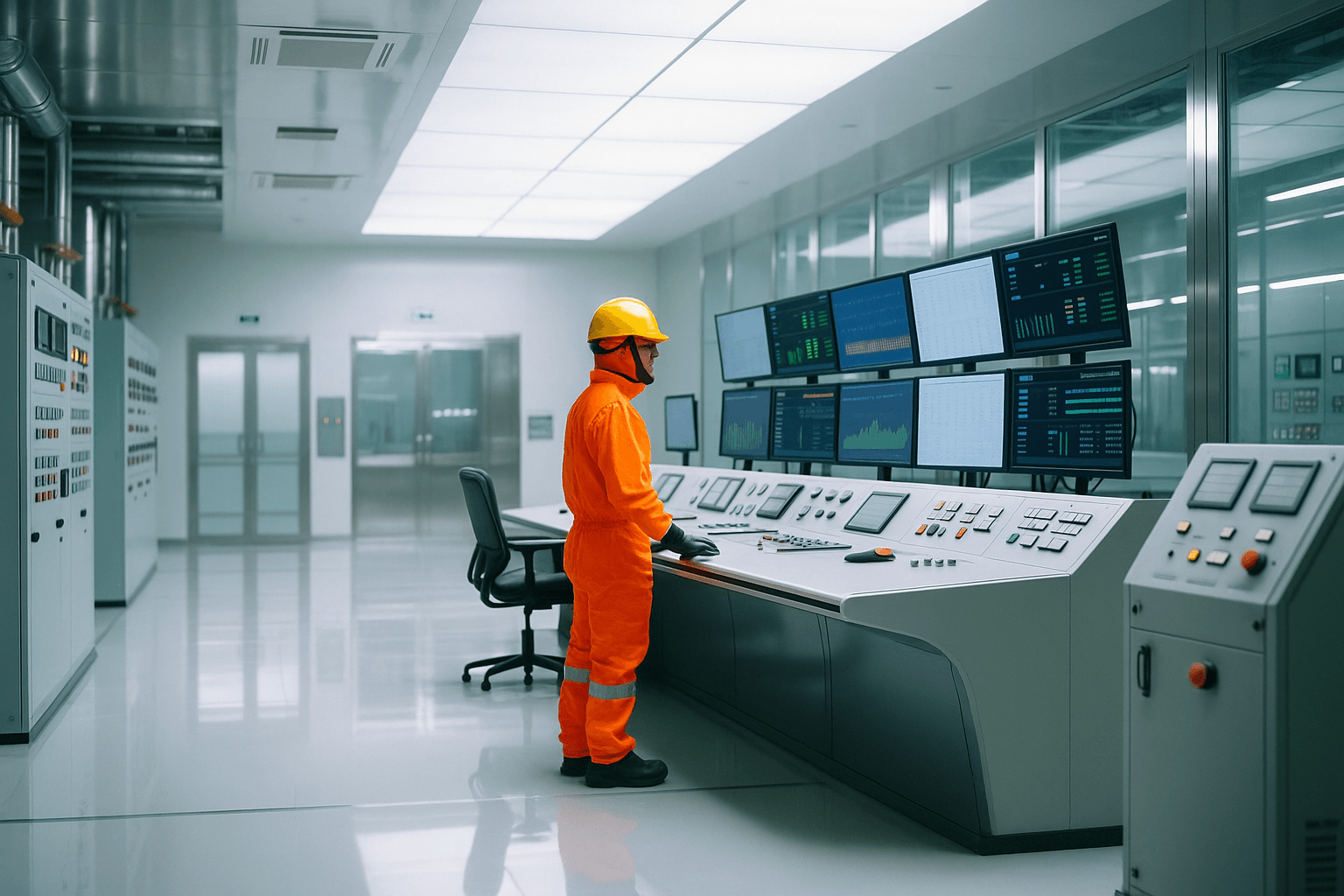
From control rooms to maintenance areas, the setup of workstations has a major influence on comfort. Adjustable chairs, properly positioned monitors, and tools placed within easy reach can prevent awkward postures and fatigue. In field operations, portable workstations and tool arrangements should be designed to minimize unnecessary bending, stretching, or overreaching. Even small adjustments in layout can have a big impact over time.
Encouraging Movement and Breaks
Long shifts often mean extended periods of standing, sitting, or repeating the same motions. Regular breaks are essential to allow muscles to recover and circulation to improve. Stretching exercises, job rotation, and micro-breaks during repetitive tasks help reduce the risk of musculoskeletal fatigue. Supervisors can play a role by encouraging a culture where taking breaks is seen as part of working safely, not as a disruption.
Selecting the Right Tools and PPE
Ergonomically designed tools and personal protective equipment (PPE) are another important factor. Padded gloves that reduce vibration, tools with grip-friendly handles, and PPE that fits properly all lessen physical strain. Ill-fitting gear not only reduces comfort but can also increase the risk of injury when workers compensate with awkward body positions.
Building Ergonomics into Safety Culture
Ergonomics should not be treated as an afterthought—it should be integrated into every stage of work planning. Regular ergonomic assessments, worker feedback sessions, and safety training all contribute to an environment where comfort and health are part of daily operations. By designing tasks and spaces around people, rather than forcing people to adapt to poorly designed setups, companies protect both their workforce and their productivity.
Healthier Work, Stronger Teams
In the demanding world of oil and natural gas, ergonomics may seem less urgent than other hazards, but its impact is far-reaching. Preventing injuries related to posture, lifting, and repetitive strain means workers can stay healthy and effective throughout their careers. Comfort at work is not just a matter of convenience—it is a cornerstone of health, safety, and long-term success.