In oil and natural gas operations, protecting the environment is inseparable from protecting people and assets. Spills, leaks, and releases of hazardous substances can cause immediate danger to workers, long-term damage to ecosystems, and lasting harm to a company’s reputation. While prevention is always the first line of defense, being prepared to respond quickly and correctly when an incident occurs is just as important. Environmental protection and spill response go hand in hand—and both require planning, training, and vigilance.
Why Environmental Protection Matters
The environments where oil and gas work takes place—oceans, wetlands, deserts, forests—are often fragile and difficult to restore once damaged. Even small spills of oil, fuel, or chemicals can contaminate soil, pollute water, and disrupt wildlife. Beyond regulatory requirements, protecting the environment demonstrates responsibility to surrounding communities and reinforces the industry’s social license to operate.
Prevention First: Reducing the Risk of Spills
Preventing spills begins with strong operational controls. Regular inspections of tanks, pipelines, hoses, and valves help catch leaks before they grow. Proper storage and handling of hazardous materials reduce the chance of accidental releases. Training workers in safe transfer procedures, monitoring fill levels, and using secondary containment systems (like spill berms or trays) all minimize the risk of spills. A strong culture of housekeeping—keeping work areas clean, organized, and free of clutter—further reduces opportunities for accidents.
Responding to Spills: Acting Quickly and Correctly
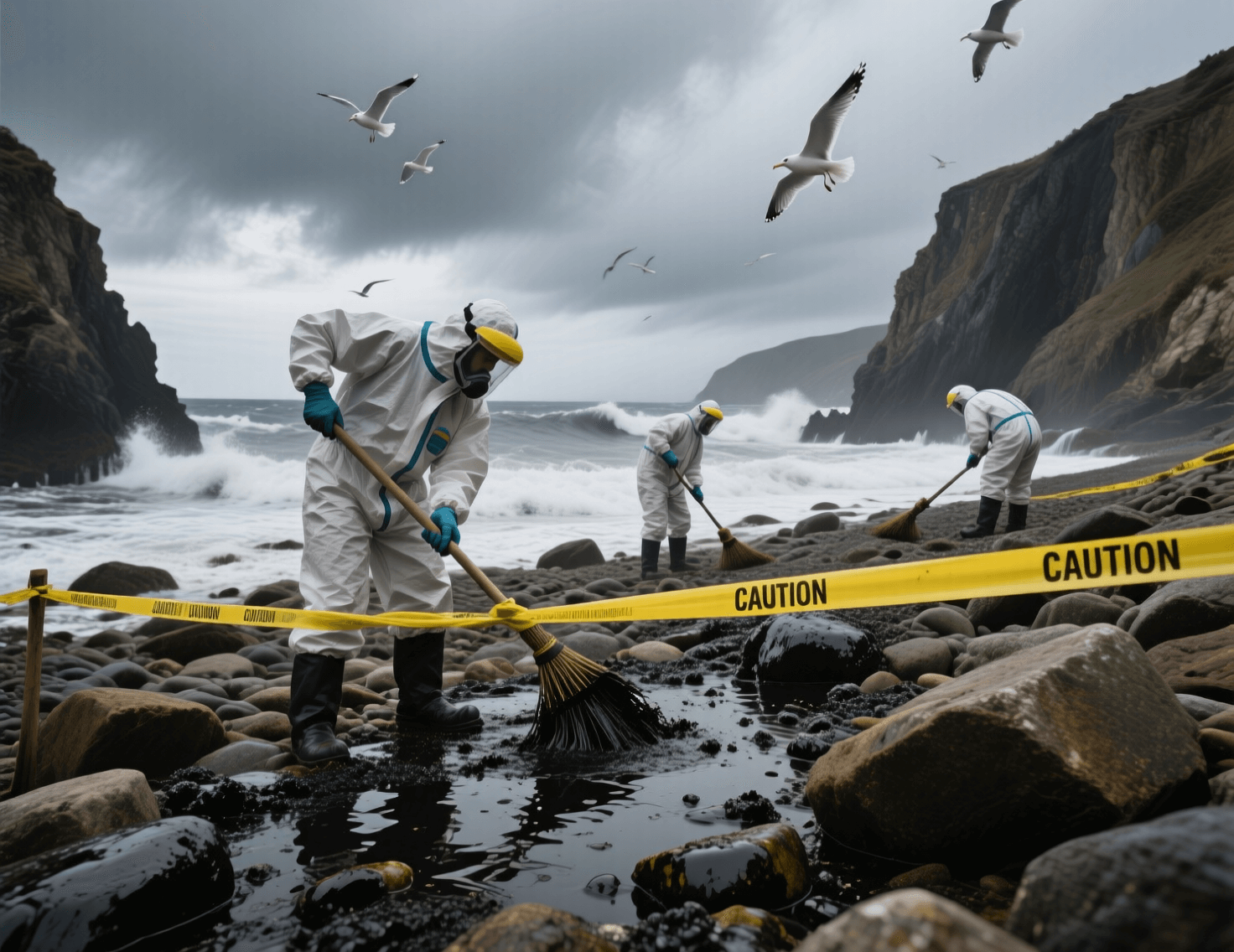
When a spill does occur, every second counts. Workers should be trained to recognize spill hazards immediately, alert the appropriate response team, and take initial containment steps if it is safe to do so. The goal is to stop the spread, protect people, and minimize environmental damage. Depending on the situation, this may involve shutting off valves, deploying absorbent pads or booms, or isolating the affected area until trained responders arrive.
Spill Kits and Response Equipment
Readiness depends on having the right tools available. Spill kits, absorbents, neutralizers, and personal protective equipment (PPE) should be strategically placed where spills are most likely to occur. Workers need to know what’s in a spill kit, how to use it, and when to escalate the response to specialized teams. Regular drills ensure that when the real thing happens, workers can act confidently and without hesitation.
Documentation and Reporting
Responding to a spill is only part of the process. Proper reporting and documentation are critical for regulatory compliance and for learning from the event. Reports should capture what happened, how the response was handled, and what corrective measures will prevent recurrence. Transparent reporting also reinforces accountability and builds trust with regulators and nearby communities.
Learning from Every Incident
Just like other safety events, spills and near misses provide valuable lessons. Reviewing incidents after the fact allows companies to identify weaknesses in procedures, training, or equipment. Turning these lessons into updated policies or improved response plans helps ensure stronger defenses in the future.
Building Environmental Stewardship into Safety Culture
Environmental protection should not be treated as a separate responsibility—it is part of overall workplace safety. When workers understand that protecting the environment also protects their health, their communities, and their livelihoods, commitment becomes stronger. Embedding environmental awareness into daily safety meetings, toolbox talks, and job planning reinforces the idea that every action counts.
Protecting What Matters
Spill response is about more than compliance—it’s about respect for the environment and responsibility to future generations. By preventing spills where possible, responding quickly when they occur, and learning from every incident, oil and gas companies demonstrate that safety and sustainability can work together. Acting fast and acting right ensures that operations remain safe, responsible, and sustainable.